In the mountains of southern Spain, one type of thistle plant seems to have built-in air conditioning.
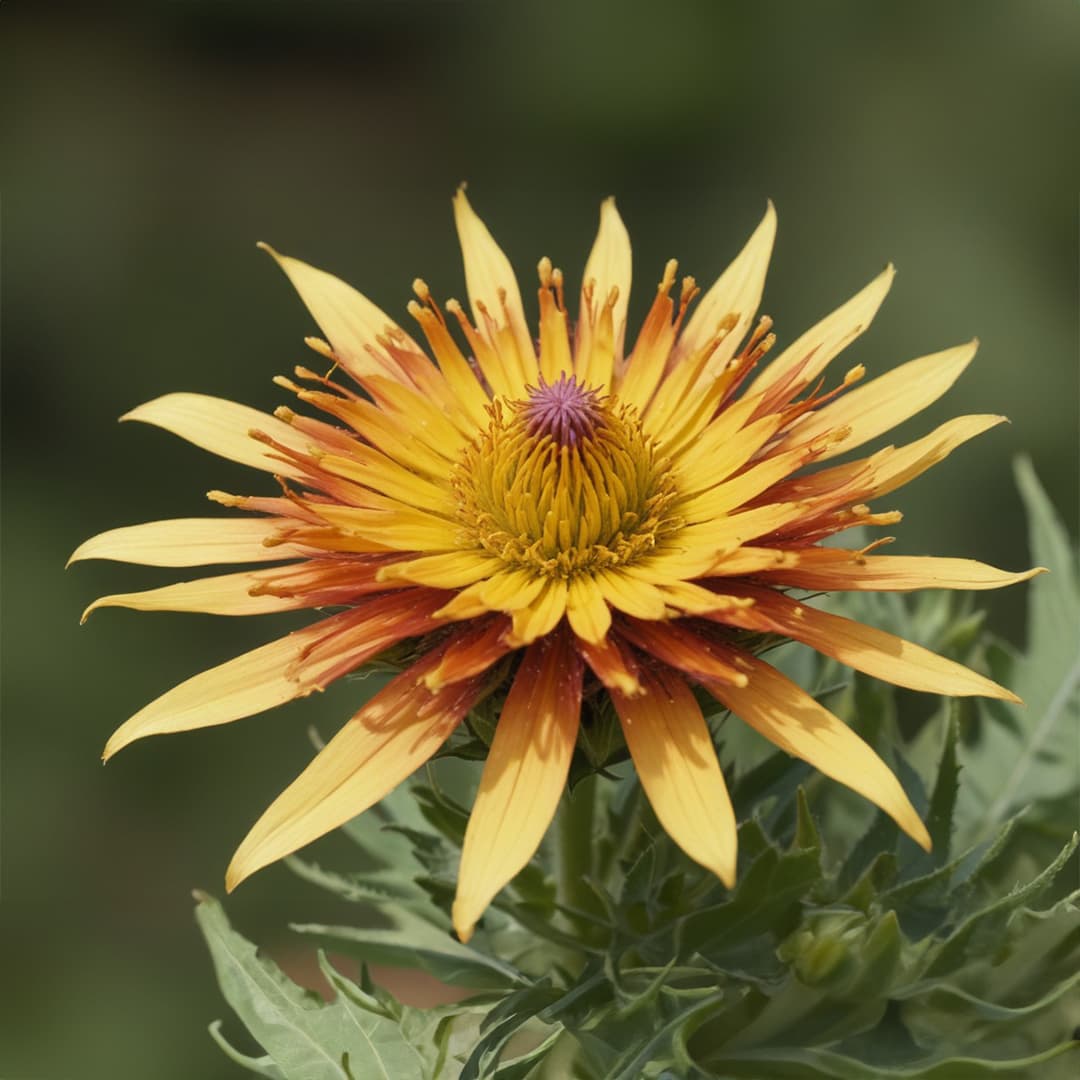
The flowers of the thistle Carlina corymbosa are, on average, about 3 degrees Celsius cooler than the surrounding air, ecologist Carlos Herrera reports February 13 in Ecology. The most extreme cooling — sometimes up to 10 degrees C — occurs during the hottest part of the day. This means when the air temperature reaches a sweltering 45° C, the plant’s flowers can remain close to a relatively cool 35° C.
“Those are substantial coolings relative to the air next to it,” says Christopher Still, an ecologist at Oregon State University in Corvallis who was not involved in the work. “It’s a nice, careful study.”
In Spain’s Sierra de Cazorla mountain range, scorching summers leave many plants dead, dried out or dormant. This brown sea is intermittently broken by bursts of yellow, as C. corymbosa improbably peeks its flowers above the vegetation. When Herrera, of the Spanish National Research Council in Sevilla, touched one of the flower heads during the peak of the day’s heat on a recent trek, he found it pleasantly cool.
Herrera was there to study the relationship between the region’s plants and their pollinators. He bent to touch the thistle because he “was checking for the presence of nectar in the flower head,” he says, and then became curious about why the flower felt chilled.
Using an electric thermometer, he measured the temperatures of seven different thistles across two sites and multiple days per flower. He found the flowers consistently cooled down as the day grew hotter.