
Mount Ontake in Japan rises 3,067 meters above sea level — a windswept giant standing head and shoulders above densely forested hills. This ancient volcano is a popular trekking site. A trail traverses its ash- and boulder-strewn ridges. There are several huts and a shrine. On September 27, 2014, hikers took advantage of a blue sky and gentle wind. At 11:52 a.m., over a hundred of them stood on the summit, eating snacks and taking photos. Disaster struck with little warning.
The windows and doors of a nearby hut rattled, vibrated by a low-frequency shock wave inaudible to humans.
People glanced around curiously and quickly saw it — half a kilometer down the southwest slope, a gray cloud billowed from the mountain.
The ash cloud swept over the summit with a blast of hot air, leaving people shaken and blinded, but otherwise unhurt. Disoriented in that gray fog, they couldn’t see what arrived soon after.
Thud-thud. Thud. Rocks blasted out of the mountain rained down from the sky. The barren mountaintop offered no shelter to those who desperately sought it in the swirling, gagging dust.
The tempo of hail quickened, as millions of rocks came down — most smaller than baseballs but some as large as beach balls. More and more people fell.
Roughly a million tons of ash and rock spewed from the mountain that day, ejected through several craters that hadn’t existed a moment before. Fifty-eight people died, most killed by falling rocks. Five others were never found.
When scientists investigated the aftermath, they found no new lava flows and no freshly formed ash. What exploded from the mountain wasn’t lava or fire; it was water.

The explosion was powered by a seemingly innocuous pool of water, derived from rain and snowmelt, hidden beneath the surface. The water was suddenly heated from below, perhaps by a burp of hot gas from a deep magma chamber. The water flashed into steam.
Subterranean cracks were pried apart as this vaporized water expanded to hundreds of times its original volume. This high-pressure wedge drove the cracks to the surface — blowing out holes that widened into craters as the escaping vapor flung rocks and old ash into the air.
The tragedy at Ontake is not unique. A similar explosion killed 22 people and injured two dozen others on White Island off the coast of New Zealand in 2019 (SN: 6/18/21). Steam explosions can happen in many other places around the globe, including Greece, Iceland and Northern California.
The ones that happen at active volcanoes are called phreatic explosions. They occur when underground water is suddenly heated by magma or gases. But similar steam explosions, called hydrothermal explosions, can happen in areas without active volcanoes. Like Ontake and White Island, destructive force comes from water expanding into steam.
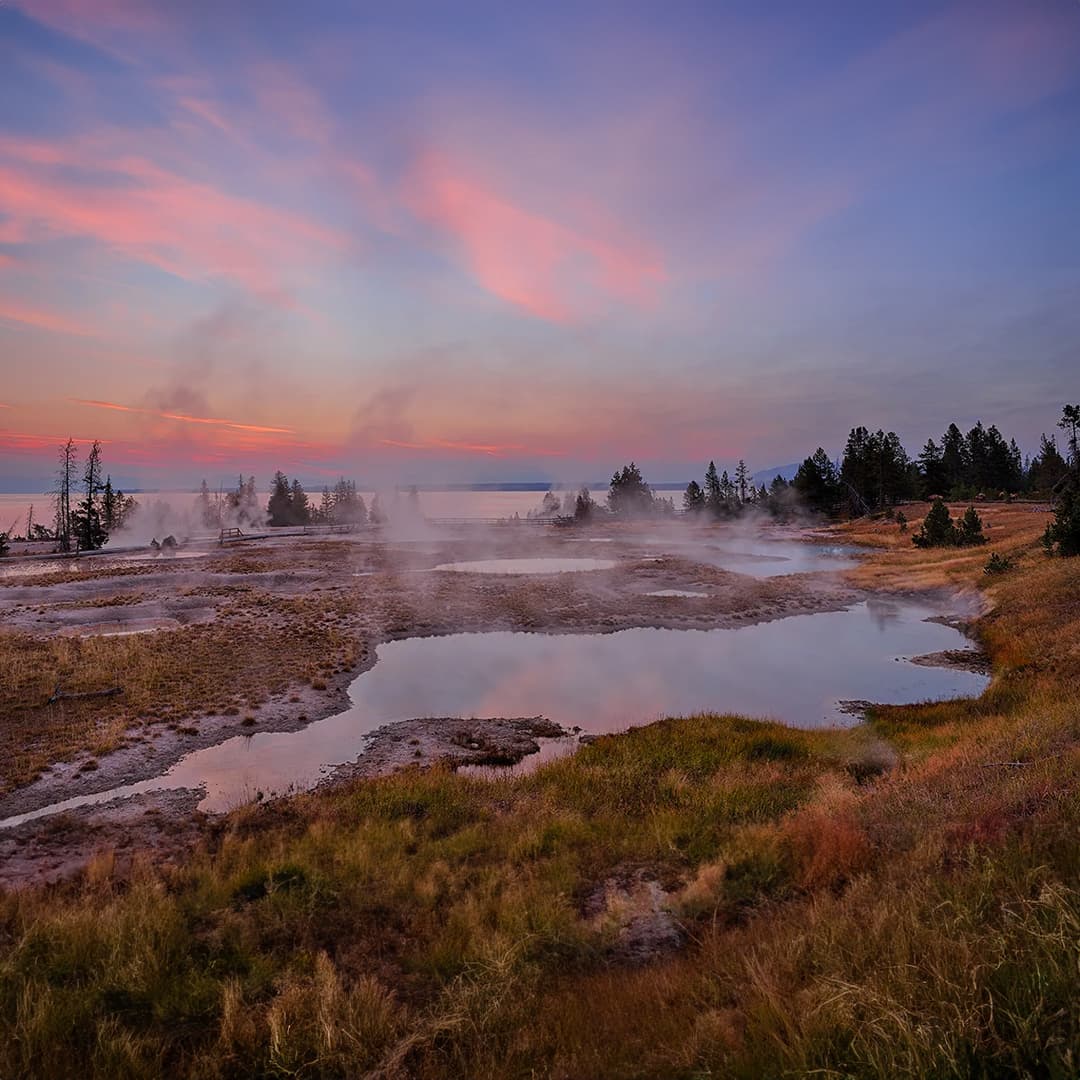
Yellowstone National Park, where no magma eruption has happened in 70,000 years, has seen hundreds of hydrothermal explosions of various sizes. “In recorded history, it’s been only small ones,” says Paul Bedrosian, a geophysicist at the U.S. Geological Survey in Lakewood, Colo. “But we know [Yellowstone] is capable of creating whoppers.”