How did the ant steal the lion’s dinner? This isn’t the beginning of one of Aesop’s Fables. It’s the finding of a new study showing how the disruption of one tiny mutual relationship on the African savanna has big impacts on the food web — all the way to the lion’s den.
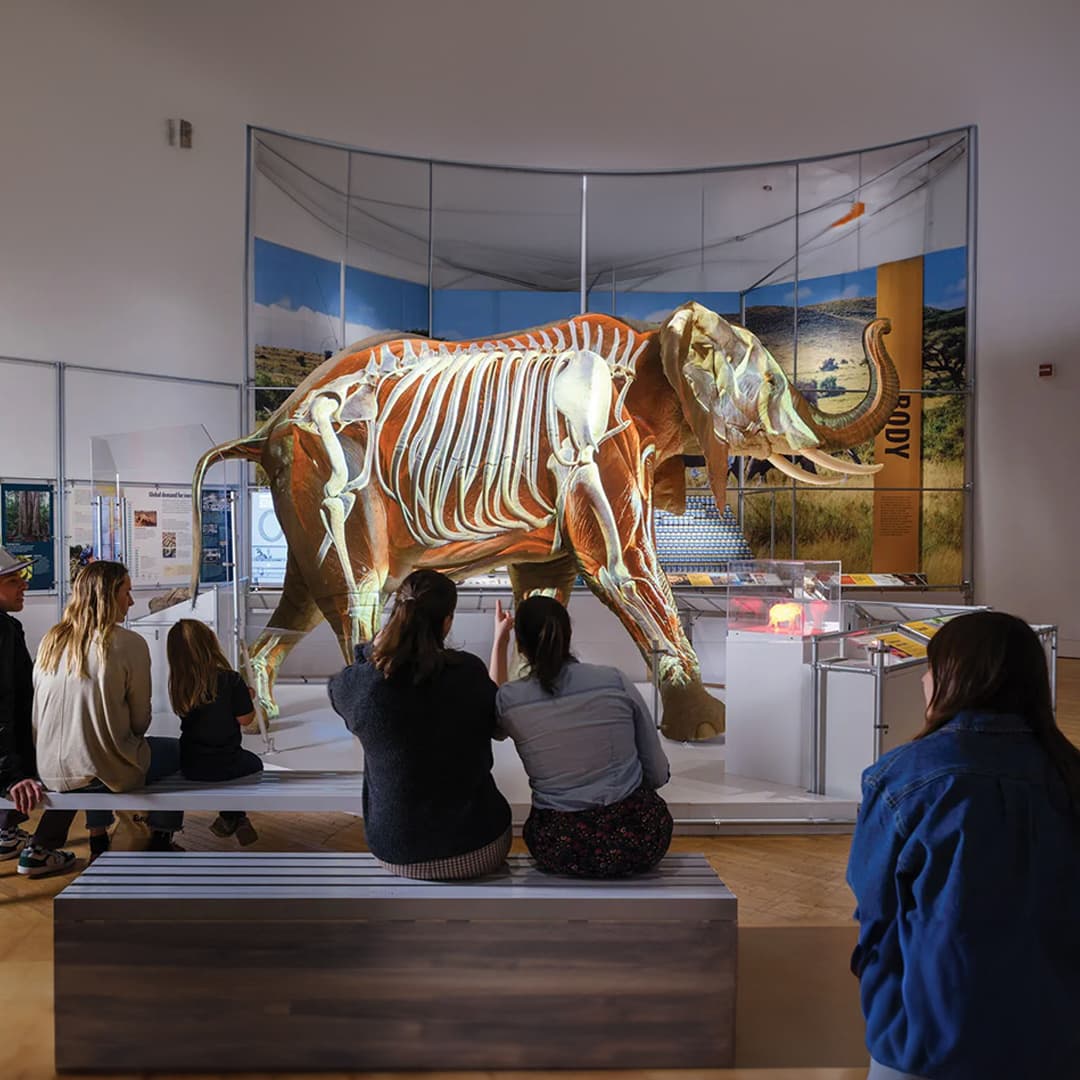
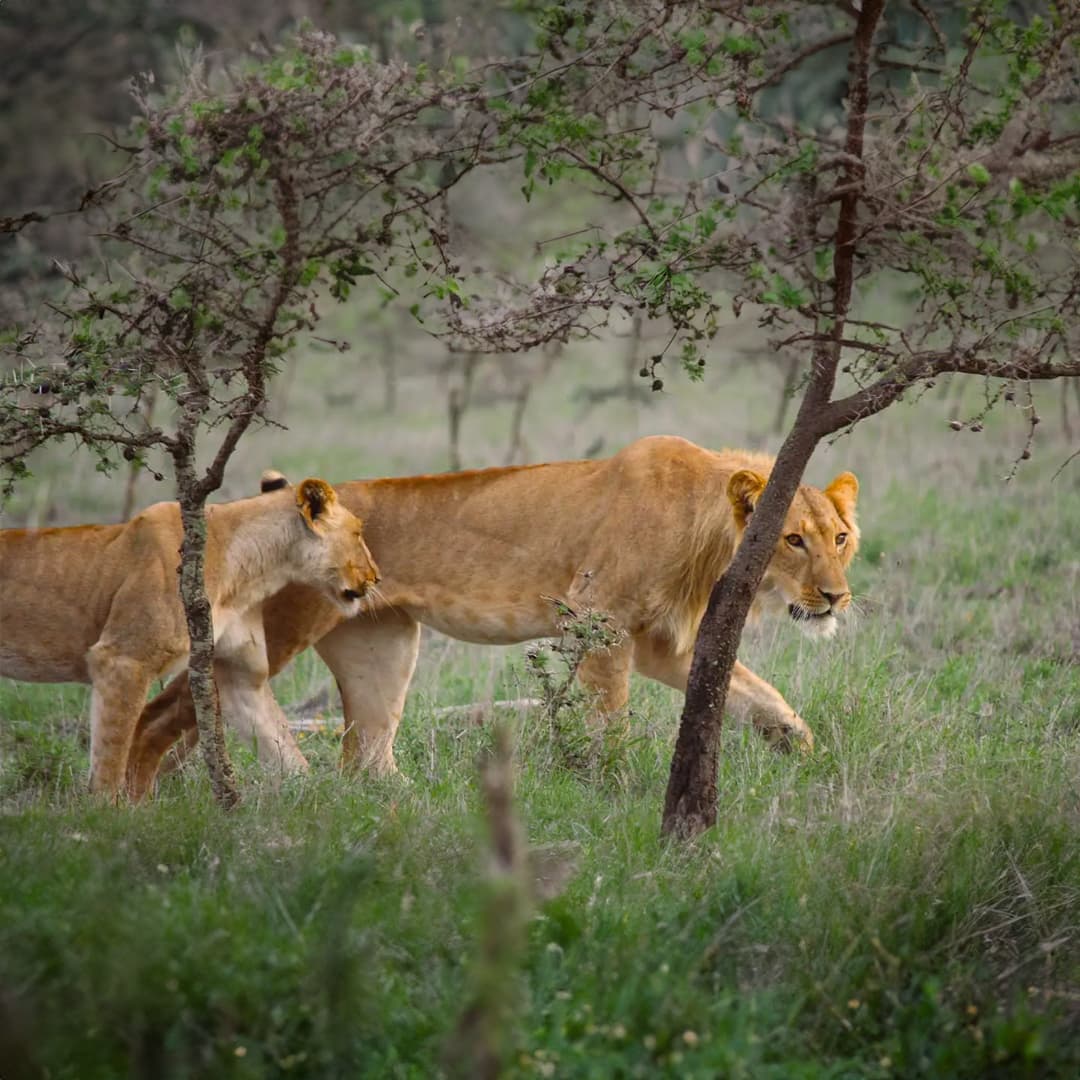
When big-headed ants (Pheidole megacephala) invade the savanna, they kill off native acacia ants (genus Crematogaster), robbing local whistling thorn trees of their valiant defenders against hungry elephants. Without ants to bite them, the elephants rip up the thorn trees, opening up the grassland, which makes it harder for lions to catch their preferred zebra meals. Lions end up hunting buffalo instead. The findings, published online January 25 in Science, show that Invasive Species' effect can be very indirect— and suggest that changes in different low-level mutualisms might also echo up food webs in other ecosystems.
Over the past 15 years or so, wildlife ecologist Jake Goheen and his colleagues at the University of Wyoming in Laramie and the Ol Pejeta Conservancy in Laikipia, Kenya, have been studying how acacia ants Protect whistling thorn trees (SN: 6/15/10). When an elephant tries to eat the tree, “ants swarm up inside its nostrils and bite from the inside out,” Goheen says.
The scientists were also examining what the lions in the conservancy eat as part of a separate study. “One of the things that we found … was that lions are much more effective, they’re more successful with their hunts in areas where tree cover is high,” Goheen says.
But what happens when tree cover is suddenly low? To find out, Goheen and his colleagues collared six lionesses from the local pride to track their activity and kills. The team also set up experimental plots where big-headed ants had invaded, and where the native ants still held sway.
The big-headed ant arrived in the conservancy between 2002 and 2005, Goheen says. “We think it probably was imported on produce,” brought into the houses or tourist camps in the area. The invading insects kill local acacia ants wherever they find them. and other studies have shown that without defending ants, pachyderms tore down the thorn trees five to seven times more often.