
US-Israel-Iran War Latest Update: Tensions Mount Amid Regional Flashpoints
WASHINGTON D.C. – The geopolitical landscape of the Middle East remains acutely volatile, with the United States, Israel, and Iran locked in a complex and perilous standoff. While a declared, full-scale war has been repeatedly averted, the region is witnessing an intense "shadow war" characterized by proxy confrontations, strategic military posturing, and escalating rhetoric. This comprehensive update details the latest developments and the ongoing factors contributing to the heightened risk of a broader conflict.
Escalating Incidents and Direct Actions
Recent weeks and months have underscored the fragility of regional peace through a series of significant events:
- Alleged Israeli Strikes: Reports continue of Israeli airstrikes targeting Iranian-linked military assets and personnel in Syria and, at times, Iraq. These operations align with Israel's long-standing policy of preventing Iran from establishing a permanent military foothold near its borders or transferring advanced weaponry to proxy groups like Hezbollah.
- Iranian Nuclear Progress: The International Atomic Energy Agency (IAEA) has consistently reported on Iran's accelerating uranium enrichment activities, including enrichment to levels far beyond the limits set by the collapsed 2015 nuclear deal (JCPOA). This progress is a primary source of alarm for both the U.S. and Israel, who view it as a pathway to nuclear weapons capability.
- Maritime Tensions: The Red Sea and Gulf regions have seen a continuation of attacks on commercial shipping, frequently attributed to Iranian-backed Houthi rebels in Yemen or Iran itself. These incidents have prompted significant U.S. naval deployments and international efforts to secure vital shipping lanes.
- Proxy Engagements: Iranian-backed militias in Iraq, Syria, and Lebanon (Hezbollah) remain active, posing persistent threats to U.S. forces and Israeli interests, often leading to retaliatory strikes.
The U.S. Position: Deterrence and De-escalation
The United States continues to navigate a challenging diplomatic and military strategy:
- Reinforced Presence: The Pentagon has periodically increased its military footprint in the Middle East, deploying additional aircraft carriers, fighter jets, and ground assets to the Persian Gulf as a deterrent against potential Iranian aggression.
- Sanctions Leverage: Washington maintains and enforces a comprehensive sanctions regime against Iran, targeting its oil exports, financial sector, and entities linked to the Revolutionary Guard Corps (IRGC), aiming to cripple its ability to fund regional proxies and its nuclear program.
- Support for Israel: The U.S. reaffirms its unwavering commitment to Israel's security, providing significant military aid and intelligence sharing, and supporting Israel's right to self-defense against threats.
- Diplomatic Standoff: Efforts to revive the JCPOA have largely stalled, with both the U.S. and Iran demanding concessions before returning to compliance. Indirect diplomatic channels, however, are occasionally used to convey messages and de-escalate specific tensions.
Israel's Strategic Imperatives
For Israel, the Iranian threat is multi-dimensional and viewed as existential:
- Nuclear Bomb Prevention: Israel maintains that it will not permit Iran to develop nuclear weapons and has hinted at potential military action if diplomatic efforts fail to halt Iran's nuclear program.
- Regional Encirclement: The proliferation of Iranian-backed groups (Hezbollah, Hamas, various Iraqi and Syrian militias, Houthis) along its borders and across the region represents a direct and constantly evolving security challenge.
- Precision Missile Threat: Iran's development and transfer of precision-guided missiles to its proxies are a major concern, potentially allowing for accurate strikes deep within Israeli territory.
Israeli intelligence and military forces remain on high alert, frequently conducting drills and proactive operations to disrupt perceived threats.
Iran's 'Resistance Economy' and Regional Influence
Iran, under immense international pressure, continues to pursue a strategy aimed at self-reliance and asserting regional dominance:
- Nuclear Program as Leverage: Tehran views its nuclear advancements as a bargaining chip and a symbol of national technological prowess, while maintaining its program is solely for peaceful energy and medical purposes.
- "Axis of Resistance": Iran continues to fund, train, and arm its network of regional allies and proxies, viewing them as a crucial deterrent against U.S. and Israeli aggression and a means to project power.
- Anti-Sanctions Stance: Iran adamantly opposes U.S. sanctions, calling them economic terrorism, and actively seeks ways to circumvent them, often through covert trade and energy deals.
- Military Modernization: Despite sanctions, Iran continues to develop its indigenous missile and drone capabilities, showcasing new weapons systems as a demonstration of its defensive strength.
Regional and Global Implications
A full-scale military conflict between these powers would have devastating consequences far beyond the immediate battlegrounds:
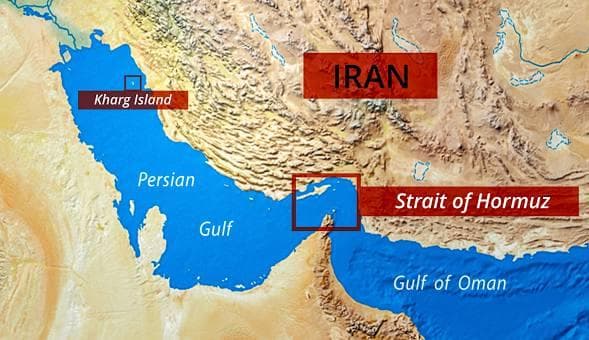
- Global Energy Crisis: Significant disruption to oil and gas shipments through the Strait of Hormuz, a critical global chokepoint, would send crude oil prices soaring and destabilize the global economy.
- Humanitarian Catastrophe: Widespread civilian casualties, mass displacement, and exacerbation of existing refugee crises across the Middle East.
- Broader Regional Instability: The conflict would likely draw in other regional actors, further destabilizing already fragile states and potentially sparking conflicts on multiple fronts.
- Economic Downturn: The ripple effects on global trade, investment, and supply chains would trigger a significant worldwide economic contraction.
Outlook: A Perilous Stalemate
Expert analyses consistently point to a precarious equilibrium where all major players seek to avoid an all-out war while simultaneously pursuing their strategic interests through less-than-direct means. The risk of miscalculation, unintended escalation from a localized incident, or a deliberate move to cross a "red line" remains critically high. While diplomatic channels are often employed to manage immediate crises, a fundamental resolution to the deep-seated mistrust and conflicting objectives – particularly regarding Iran's nuclear program and regional posture – appears distant, leaving the Middle East in a state of perilous stalemate.