Strait of Hormuz: Assessing the Escalation of Tensions
Recent developments in the Persian Gulf region suggest a discernible increase in friction surrounding the Strait of Hormuz, raising alarms among international observers and global markets. A series of maritime incidents, heightened rhetoric, and military posturing have prompted questions about whether the long-standing tensions in this critical waterway are spiraling towards a more significant confrontation.
A Critical Global Chokepoint
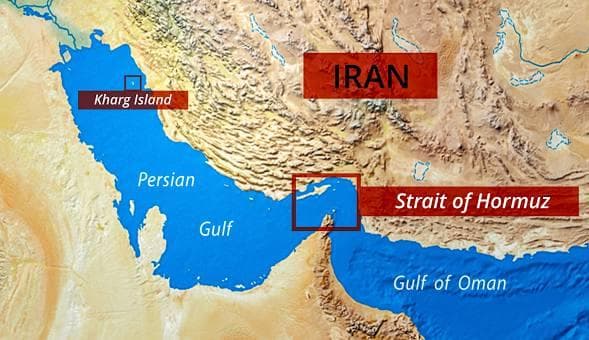
The Strait of Hormuz, a narrow passage between Iran and Oman, is undeniably one of the world's most vital maritime chokepoints. Approximately one-fifth of the world's total oil consumption, along with a significant portion of liquefied natural gas (LNG), transits through its waters daily. Its strategic importance makes it a perennial flashpoint for geopolitical rivalries, particularly between Iran and Western powers, as well as regional adversaries.
Recent Incidents Fueling Concern
Over the past months, the region has witnessed a troubling uptick in activities that point to an escalation. These include:
- Maritime Seizures and Harassment: Several commercial vessels, including oil tankers, have been seized or harassed by Iranian forces, often cited by Tehran as responses to perceived violations or in retaliation for previous actions against Iranian shipping. These actions directly impact international shipping freedom and raise insurance premiums for vessels traversing the Strait.
- Drone and Naval Encounters: Reports of close encounters between Iranian Revolutionary Guard Corps (IRGC) naval vessels and U.S. Navy ships have become more frequent, often accompanied by allegations of dangerous and unprofessional conduct. Unmanned aerial vehicle (UAV) activity in contested airspace has also contributed to the tense atmosphere.
- Heightened Rhetoric: Statements from both Iranian and U.S. officials, along with those from regional allies, have grown sharper. Iran has repeatedly threatened to disrupt oil flow through the Strait in response to sanctions or military pressure, while the U.S. and its partners reaffirm their commitment to freedom of navigation.
- Military Exercises and Deployments: Both Iran and allied naval forces have conducted extensive military exercises in the region, showcasing their capabilities and readiness. While routine for some, the timing and scope of these drills during periods of heightened tension are seen as implicit warnings.
Key Players and Their Stakes
The principal actors in this high-stakes standoff each have significant interests at play:
- Iran: Views the Strait as a strategic leverage point against international sanctions and perceived external threats. Its actions are often seen as a demonstration of its ability to disrupt global energy supplies, thereby forcing international attention and potentially negotiating concessions.
- United States: Committed to ensuring freedom of navigation and protecting global commerce, particularly oil supplies crucial for the world economy. The U.S. maintains a robust naval presence in the region to deter aggression and support its regional allies.
- Saudi Arabia and United Arab Emirates: Major oil producers and regional rivals of Iran, they are acutely vulnerable to any disruption in the Strait, as their vast oil exports depend heavily on this route. Their security and economic stability are directly tied to regional peace.
- International Community: Global powers, particularly those reliant on Middle Eastern oil, watch developments with apprehension. Any significant conflict or disruption would have immediate and severe repercussions on global energy prices, inflation, and economic stability worldwide.
Economic and Geopolitical Repercussions
An escalation of conflict in the Strait of Hormuz would trigger severe consequences. Economically, it would almost certainly lead to a sharp spike in global oil prices, impacting industries and consumers globally. Shipping insurance costs would skyrocket, disrupting supply chains far beyond the energy sector. Geopolitically, the risk of miscalculation is ever-present, with the potential for a localized incident to spiral into a broader regional conflict involving multiple actors, destabilizing an already volatile part of the world.
Outlook: A Precarious Balance
While a full-scale military conflict remains a dire scenario that all major players likely wish to avoid, the current trajectory of increased low-level confrontation and aggressive posturing is deeply concerning. The situation in the Strait of Hormuz remains a precarious balance, with the international community urging all parties to exercise restraint and pursue diplomatic channels to de-escalate tensions and uphold the critical principle of freedom of navigation.